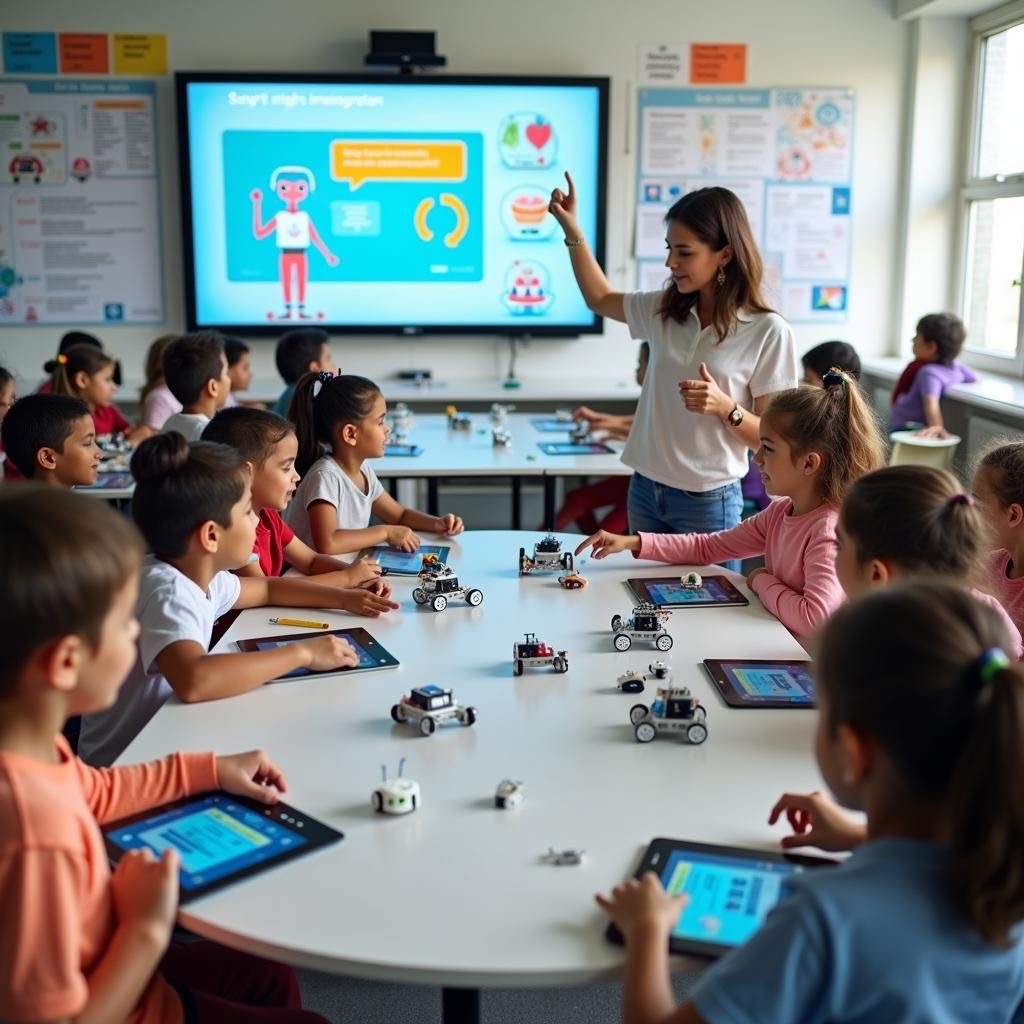
 AI in the Classroom: Friend, Foe, or Something in Between
 Navigating ChatGPT Ethically Without Losing the Student Voice
Education has never been static. We’ve moved from slate tablets to iPads, and from dusty encyclopaedias to instant search engines. Each leap forward feels disruptive until it becomes the new normal. Today, we’re standing at the edge of the next big shift: Artificial Intelligence. Tools like ChatGPT have sparked a massive debate in hallways and staff-rooms alike. Is AI a brilliant digital tutor, or is it a threat to the very idea of original thought?
The reality isn't black and white. AI isn't inherently a "friend" or a "foe"—it’s a tool. Its impact depends entirely on whether we use it to expand our minds or simply to outsource them.
A Companion, Not a Ghostwriter
In a solid learning environment, the goal is curiosity and growth. AI can be a fantastic "study buddy" when you’re stuck at 9:00 PM on a Tuesday. It can break down a complex physics law or help you brainstorm an outline for a history essay. This kind of support builds momentum and keeps students from hitting a wall.
However, there’s a massive difference between assisting and replacing. True learning happens in the "struggle"—the process of connecting dots and forming an opinion. If a student uses AI to generate a ready-made answer, they aren't just skipping the work; they’re skipping the mental workout required to develop reasoning and creativity. In the end, a shortcut today leads to a skill gap tomorrow.
Integrity in a Digital Age
Every school is built on a foundation of trust. When a student submits work that they didn't actually think through, that trust thins out. But we shouldn't just fear the technology; we should adapt how we measure success.
Schools can keep integrity alive by shifting the focus. Instead of just looking at a final essay, educators might look at the process—the messy drafts, the classroom debates, and the personal reflections. It’s also on the students to be "skeptical users." AI is famous for "hallucinating" (making up facts with total confidence). Verifying AI claims against a textbook isn't just a chore; it’s a vital research skill for the 21st century.
Protecting Your Unique "Vibe"
The biggest risk of AI isn't just "cheating"—it's the loss of individuality. AI writes in a way that is statistically probable, which means it’s often generic. It doesn't have your sense of humour, your specific life experiences, or your unique perspective on the world.
To keep your work feeling like you, try these steps:
• Brainstorm first: Get your own messy thoughts on paper before you even open a browser.
• The "Edit-Only" Rule: Use AI to tighten up your grammar or clarify a clunky sentence, but never let it dictate the core argument.
• Inject Yourself: Add personal anecdotes or local examples that a machine wouldn't know.
Conclusion: Finding the Balance
We are preparing for a world where AI will be part of almost every professional field. Learning how to use it ethically now isn't just about passing a class; it’s about becoming a responsible digital citizen.
If we prioritise understanding over convenience, AI becomes an opportunity. It can't replace empathy, moral judgment, or the "aha!" moment of a great classroom discussion. By keeping the student voice at the center, we ensure that technology remains the servant of education, not its master.